
Eurozone inflation could exceed estimates that have already been revised upwards, while recent developments in energy prices are worrying, particularly the explosive rise in natural gas prices, several European Central Bank (ECB) officials said on Monday, Reuters reports.
The ECB revised upwards some of its inflation forecasts last week, when it also raised interest rates, but oil and gas prices are already well above the benchmark levels used in those forecasts, suggesting that the high rate of price growth could be more persistent than initially feared.
„The latest developments in energy prices are quite worrying,” Isabel Schnabel, a member of the Executive Board of the European Central Bank, said in Berlin. „It is not just about oil,” Schnabel, who is known for her firm stance in favour of tight monetary policy, stressed. „It is also about refined products, such as diesel … and, of course, gas prices are a particularly important factor for Europe, and they too have reached very high levels,” Schnabel added.
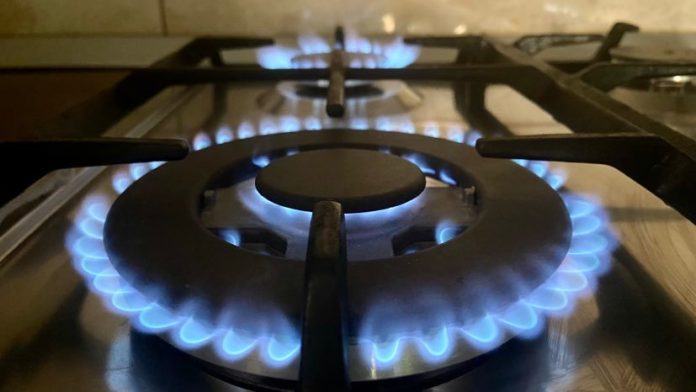
According to the ECB’s forecasts, gas futures prices were expected to reach €60.1 per megawatt-hour in December under the baseline scenario, while under a pessimistic scenario they would have reached €77. The market price is currently above €83.
A similar trend can also be seen in oil: Brent crude is currently trading at $107 a barrel, well above the price factored into the ECB’s pessimistic scenario.
„The risks surrounding inflation are clearly tilted to the upside,” Peter Kazimir, governor of Slovakia’s central bank and a member of the ECB’s Governing Council, said on Monday. „My focus is now less on oil and fuel prices and increasingly on gas and electricity prices. Food price inflation, which is crucial for perceptions and expectations, is also expected to rise,” Kazimir said.
This deterioration in the inflation outlook could foreshadow further interest-rate increases, pushing the ECB’s benchmark interest rate, currently at 2.5%, into territory that is restrictive for economic growth.
„There are strong arguments emerging for further monetary policy tightening,” said Martins Kazaks, governor of Latvia’s central bank. „Interest rates may need to enter restrictive territory. There is no invisible threshold or upper level that must be reached for interest rates to rise above 2.50%,” Kazaks said.
However, other ECB policymakers are more cautious and argue that the ECB should maintain its approach of taking decisions based on the situation at each meeting and signal a rate increase only after new data become available.
European countries that depend on natural gas for heating have been reluctant to fill their storage facilities over the summer, hoping that the current conflict in Iran would end and prices would fall. With gas storage levels well below the historical average, these countries are now rushing to stock up on gas, thereby driving natural gas prices to their highest level in four years. This will probably make heating and electricity more expensive for households and companies, which will also fuel inflation.
However, some economists argue that a significant increase in energy production from renewable sources since the beginning of the war in Ukraine, combined with a slowdown in activity in energy-intensive sectors such as heavy industry, makes the European bloc less vulnerable to fluctuations in natural gas prices.
The next ECB monetary policy meeting is scheduled for 29 October. Financial markets believe there is a 60% chance that interest rates will be raised on that occasion.
AGERPRES


